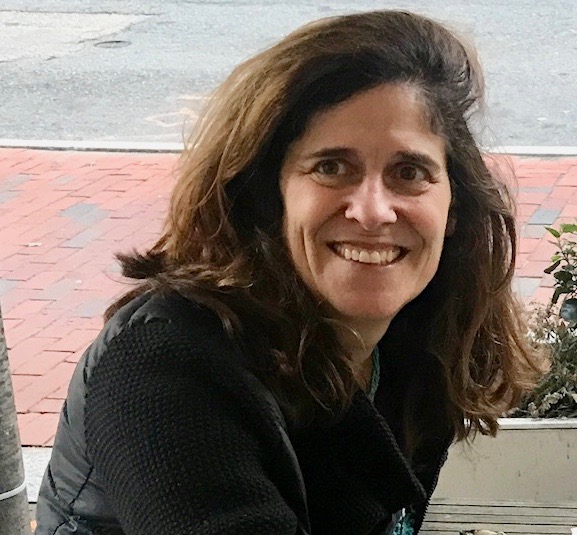
Katie Shillington, PhD, is an Assistant Professor in the Department of Psychology at Wilfrid Laurier University, where her research examines resilience-promoting behaviours such as kindness, compassion, and self-affirmation as pathways to positive mental health. Using a strengths-based approach, Dr. Shillington focuses on how positive activity interventions can advance the mental health and wellbeing of equity-deserving populations. We recently had the opportunity to speak with Dr. Shillington about her recent paper on the role of compassion and empathy in undergraduate mentoring programs, featured here in the Chronicle!
Chronicle (C): What first sparked your interest in the role of compassion and empathy in faculty mentoring relationships, and was there a particular moment or experience that drew you to this area of research?
Katie Shillington (KS): Through focus groups, interviews, and listening sessions, our team began to see just how central mentorship is to students’ sense of belonging, and how inconsistently that experience is provided. The mentoring relationships students described as meaningful were not necessarily the most formal or structured; they were the ones in which students felt genuinely seen, understood, and supported. However, not all students experienced this kind of relationship, some students shared that their mentoring felt distant or transactional. This contrast highlighted that empathy and compassion are not simply interpersonal traits, but qualities that can be intentionally embedded into mentoring systems to foster more authentic connections between mentors and mentees.
C: Given that the studies in your review came from the United States, what do you think a more globally representative body of research might reveal about how different cultural contexts shape the way belonging, empathy, and compassion are experienced in mentoring relationships?
KS: Because the studies in our review were conducted in the United States, it is difficult to know how mentoring relationships might look in other cultural contexts. North American research is largely rooted in Western, individualistic norms. In more collectivist cultures; however, mentoring may be experienced very differently. It is possible that mentoring occurs more informally, is embedded within community networks, or is viewed as a shared responsibility rather than a formalized program. If that is the case, these practices may not have appeared in our review simply because they are not framed or studied as “mentoring programs” in the same way. A more globally representative body of research could potentially highlight cultural strengths that Western models tend to overlook.
C: What would an ideal faculty mentoring program look like if it were intentionally designed from the ground up to integrate compassion and empathy as core principles?
KS: An ideal faculty mentoring program would create consistent opportunities for genuine connection that extend beyond academic advising, supported by ongoing feedback loops to ensure the program evolves alongside student needs. Faculty would receive training and structured reflection in active listening, perspective‑taking, and culturally responsive mentorship, while students would serve as active partners in shaping the mentoring experience in ways that reflect their lived realities. The overarching goal is to build a mentoring ecosystem in which empathy and compassion are sustained through intentional design, shared responsibility, and continuous practice.
Read her paper here