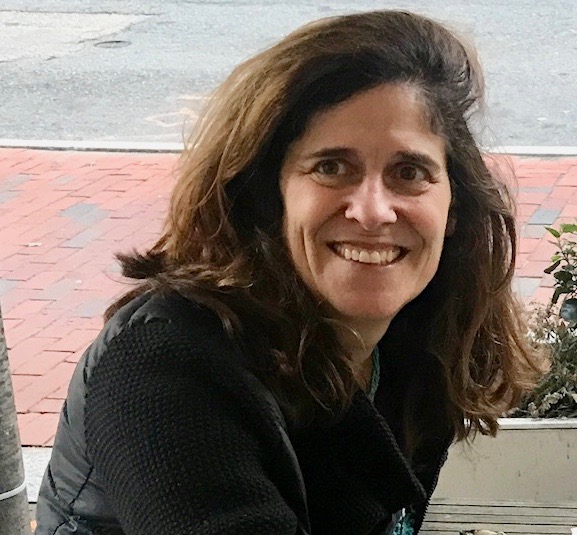
Profiles in Mentoring: Reagan Miller-Chagnon on Mentoring Youth Facing Adversity
Reagan Miller-Chagnon is an Assistant Professor of Clinical Psychology at Colorado State University and director of the Adolescent Health Equity and Development (AHEAD) Lab. Her research focuses on reducing mental health disparities among adolescents exposed to trauma and adversity, with a particular interest in how contemplative practices like mindfulness can promote health equity. We recently had the opportunity to speak with Dr. Miller-Chagnon about her team’s focus on how risk factors moderate mentoring outcomes for high-risk adolescents, featured here in the Chronicle!
Chronicle (C): Was there a particular experience or observation that made you want to understand whether mentoring works differently depending on how much adversity a young person is carrying into the relationship?
Reagan Miller-Chagnon (RMC): Seeing youth who had been exposed to adversity come alive when they participated in the program was incredibly powerful. That experience sparked my interest in understanding whether their histories of adversity also shaped how much they benefited from the program.
C: One of the more counterintuitive findings in your study is that youth with greater individual risk factors actually experienced the largest reductions in internalizing problems, emotional difficulties, and delinquency, which runs against research suggesting that higher-risk youth tend to drop out more or form lower-quality mentoring relationships. What do you think it was about the structure and intensity of the Campus Connections program specifically that may have allowed higher-risk youth to benefit rather than disengage?
RMC: I think two key features of Campus Connections (CC) may help to explain this finding. First, it is a targeted mentoring program that provides one-on-one, skill-based programming specifically designed for youth exposed to both individual and environmental risk factors. We know that targeted programs often produce larger effects, and this focused approach likely enhanced outcomes for youth exposed to individual risk factors.