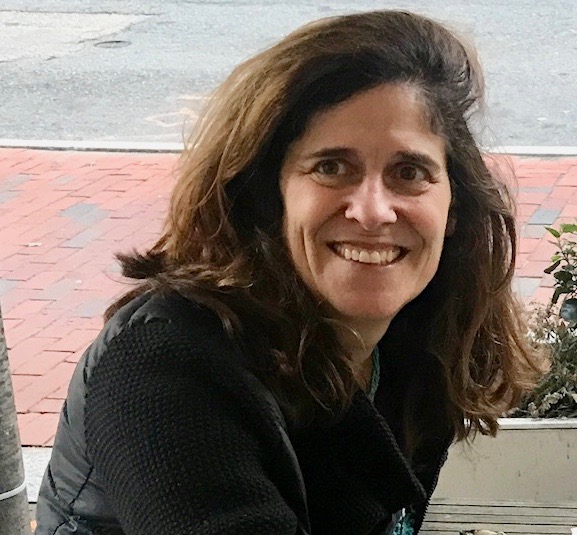
Profiles in Mentoring: Dr. Sanjay Saint on Mentorship During Times of Crisis
Sanjay Saint, M.D., MPH, is the George Dock Professor of Internal Medicine at the University of Michigan and the Chief of Medicine at the Ann Arbor VA Medical Center. Among his many research interests, Dr. Saint studies mentorship relationships across healthcare (from trainee to executive) with the goal of strengthening these connections amid the field’s ongoing challenges, including burnout and funding pressures. We recently had the opportunity to speak with Dr. Saint about his paper on mentorship during times of crisis, featured here in the Chronicle!
The Chronicle (C): The study captures mentors describing their work in remarkably human terms (e.g., gardeners, carpenters, parents). What surprised you most about the language and metaphors your participants used when describing their role in the mentor-mentee dyad?
Sanjay Saint (SS): What surprised me most about the language our participants used was how relational and identity-based it was. Rather than describing mentoring as a transactional exchange–grants, manuscripts, promotions–they spoke in metaphors like gardeners, carpenters, and even parents. Those metaphors convey patience, intentional cultivation, and long-term investment. Especially during times of crisis, mentors didn’t see themselves merely as strategic advisors; they saw themselves as stewards of another person’s growth. That depth of identification with the mentee’s trajectory was both striking and heart-warming.
C: Academic medicine has its own particular pressures around funding, promotions, and research productivity. To what extent do you think these findings translate to mentoring relationships outside of medicine?
SS: While academic medicine has distinctive pressures–particularly around federal funding and promotion metrics–I believe the core findings are transferable. The tactical strategies may vary across fields, but the underlying principles tend not to. In uncertain times, effective mentors intensify foundational practices: they provide clear strategic guidance, validate distress without minimizing it, help recalibrate expectations, and reinforce a long-term sense of identity and purpose. Whether in business, education, or nonprofit leadership, people facing instability need both direction and reassurance. The balance of tactical clarity and psychological safety likely generalizes beyond medicine.
C: How did you first become interested in studying mentorship and was there a particular relationship in your own career that drew you to it?
SS: My interest in mentorship grew from personal experience. Early in my career in internal medicine at UCSF, I was fortunate to have extraordinary mentors. Dr. Deborah Grady was my first research mentor and modeled intellectual rigor combined with genuine advocacy. Dr. Bob Wachter was my first career mentor and demonstrated how one could build a meaningful academic path while investing deeply in people. Those experiences shaped how I think about mentorship.
Mentorship helped reframe my grant rejection not as failure but as “shots on goal”. Such sacred moments–often quite easily overlooked–also sparked some of my scholarly interest in understanding mentorship more systematically.
Read Dr. Sanjay Saint’s full paper here. If you’re interested in exploring more of their work, they also co-authored the book Mentoring in Healthcare: The Definitive Guide to Cultivating Individual and Organizational Success.