Profiles in Mentoring: Dr. Catherine Comfort on Fostering Social Capital in Young Mentees
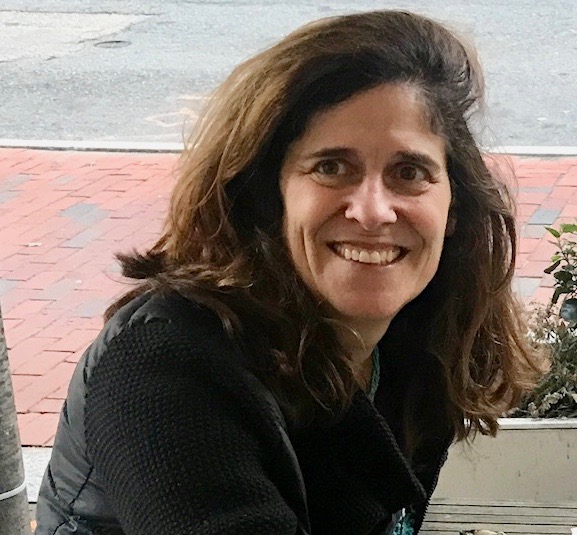
Dr. Catherine Comfort is Academic Lead for Access, Participation and Success in the Faculty of Business and Law at the Open University, where her research explores the transformative power of mentoring relationships, social capital, and youth wellbeing. A practicing youth mentor since 2018 and member of the All Party Parliamentary Group for Mentoring, she brings both scholarly rigor and real-world commitment to closing equity gaps for students—including care-experienced young people. We recently had the opportunity to speak with her about her work on mentoring relationships, featured here in The Chronicle!
The Chronicle (C): What drew you to studying youth mentoring relationships as a research focus?
Catherine Comfort (CC): Ten years ago, when I began as a volunteer mentor with the programme described in my research, I was both impressed by the resilience of the young people being mentored, and intrigued. It seemed that an hour a week, a relatively short amount of time, made a big difference in their lives and that mentoring somehow put them in touch with something already inside them. Researching young people’s experience of mentoring and the practices of the mentors who supported them seemed an ideal way to investigate this.
C: One of the more fascinating findings is how much mentees valued their mentor’s status as an outsider, and how that distance from their social circle actually created the conditions for trust and openness. Based on this finding, how might we be wrong about what makes a good mentor?
CC: I don’t think we are necessarily wrong about what makes a good mentor: a good listener who is empathetic, non-judgemental and who has a positive regard towards their mentee. However, my research shows how much young people value confidentiality.
A mentor can offer them a safe space to explore ideas and difficulties, away from school, friendship groups and family. Knowing that they decide whether the discussions are continued outside the mentoring relationship (although they know that safeguarding issues must be reported) reassures mentees that they can open up and trust their mentor with topics they may never have discussed before.
C: If you could change one thing about how UK youth mentoring programs are structured or funded based on what you learned, what would it be?
CC: I would like to see mentoring viewed as an opportunity for young people to be listened to and helped to achieve their goals rather than as a mechanism to deliver on goals that have been set for them. Mentoring can be a powerful tool to help young people reach their potential rather than being about ‘fixing’ them.
Read Dr. Catherine Comfort full paper here.