New Study Finds Technology-Enhanced Peer Mentoring Linked to First-Year Student Success
Werntz, A., Deng, Y., Jasman, M., Yowell, C., & Rhodes, J. E. (2025). Effects of a technology-enhanced university peer mentoring program on first-year academic and well-being outcomes. International Journal of Mentoring and Coaching in Education. https://doi.org/10.1108/IJMCE-03-2025-0027
Key Takeaways:
- Students who checked in and messaged their peer mentors more often earned higher GPAs, even when accounting for prior risk factors.
- Staying connected to a peer mentor was linked to a stronger sense of belonging on campus and greater confidence as a student.
- Regular mentor engagement wasn’t just academic — it was also associated with better overall well-being during the first year.
Introduction
Werntz and colleagues (2025) used a rigorous observational design to examine whether engagement with a technology-enhanced peer mentoring platform is associated with academic and well-being outcomes among first-year university students. Grounded in stepped-care and social capital frameworks, the study focuses on whether low-intensity, scalable peer support can address early academic and psychosocial challenges during the transition to college.
Methods
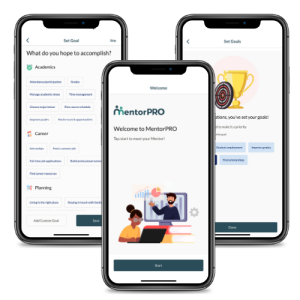
The study drew on institutional and in-app data from all incoming first-year students at a private U.S. university. Engagement with the MentorPRO platform was measured through completed check-ins and student-initiated messages to trained peer mentors. Academic outcomes included end-of-year GPA and course withdrawals, while well-being outcomes included self-reported belonging, academic self-efficacy, and overall well-being. Propensity score matching was used to estimate associations between engagement and academic outcomes while controlling for key risk factors. Linear regression models examined well-being outcomes among students who used the platform for at least three months.
Results
Higher levels of engagement were associated with higher end-of-year GPAs. Surprisingly, more frequent messaging was associated with a greater number of course withdrawals. Among students engaged for at least three months, both check-ins and messaging were positively associated with academic self-efficacy and overall well-being, and messaging was associated with a stronger sense of belonging.
Discussion
Findings indicate that engagement with a technology-enhanced peer mentoring platform is associated with both academic and psychosocial indicators of first-year success, even after accounting for background risk factors. This suggests that brief, structured, and technology-facilitated interactions are linked to meaningful outcomes and can be scaled in real-world university settings.
Implications for Mentoring Programs
The study suggests that mentoring programs don’t need to be intensive to be impactful. Light-touch, technology-enabled peer mentoring may offer a scalable strategy for supporting first-year students’ academic adjustment, well-being, and sense of connection during a critical transition period.
Read the full paper here