An interview with Professor Joe Allen
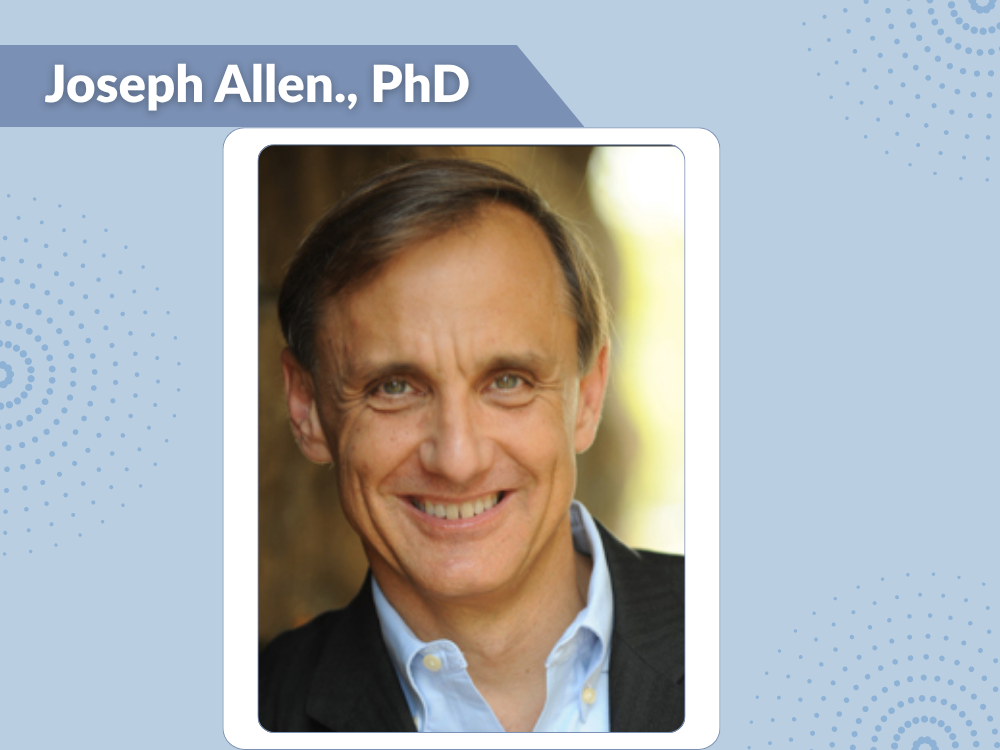
 The Chronicle is honored to feature Joseph Allen, one of the nation’s leading experts on adolescent development, especially parent and peer relationships. Joe is the Hugh Kelly Professor of Psychology at the University of Virginia and a licensed clinical psychologist. His incredible work on The Connection Project was recently cited by U. S. Surgeon General Vivek Murthy as a promising approach to improving youth outcomes. Joe is coauthor of the book Escaping the Endless Adolescence. This interview was conducted by former UMass Boston clinical doctoral student, Laura Yoviene.
LY: Based on your extensive knowledge and years of research on adolescent’s important relationships, what do you see as the most important aspects of an adult-adolescent relationship?
JA: I think most important is that the relationship be structured so as to ‘pull’ the adolescent into adulthood. This means the adult providing the adolescent with: a. autonomy (vs. the adult structuring the relationship around the adult’s goals for the teen); b. respect (treating the teen as a young adult (vs. as a big child)); c. challenge (asking/expecting/pulling for the adolescent to grow/stretch to take on adult roles and show adult levels of competence and responsibility).
LY: How do you see mentors or other non-parental adults fitting into adolescents’ lives?
JA: The role is crucial, as adolescents are of necessity establishing independence from their parents. Hence, non-parental mentors often provide the only reliable means for socializing the adolescent into the values of the adult world (vs. the values of the internet, facebook, or the teen-centered media).
LY: Are there any implications of your findings for formal mentoring programs/training of mentors?
JA: We’ve found that adolescents fare best in programs where they have choice about the structure of their activities, and where they feel valued by and connected with the adults in the program. The two elements likely go together.
LY: What are the future directions for your research?
JA: We are looking into ways of creating programs that bring teens, their peers, and adults together with adults modeling/teaching/facilitating teens’ ability to connect in genuine, supportive ways with their peers and with each other. In other words, teaching/showing teens how to have strong, supportive, adult-like relationships.
LY: Did you have a mentor growing up?
JA: Yes, several…both were high school teachers who played the roles described above and made a huge difference in my life. Like most teens, I found it to be an incredibly powerful experience to have an adult outside my family take an interest in me, treat me in an adult-like way (i.e., take me seriously), and value me for my still unformed talents and capacities.