Does Similarity Help or Hurt? Rethinking How We Pair Peer Mentors in College
Ramadurai, R., Deng, Y., Werntz, A., Yowell, C., & Rhodes, J. E. (2025). Mentor-mentee similarity in college peer mentoring: Untangling conflicting results. Studies in Higher Education. Advance online publication. https://doi.org/10.1080/03075079.2025.2572504
Introduction
Ramadurai and colleagues (2025) explored whether demographic similarities between college peer mentors and mentees such as, race, gender, international status, and first-generation status influence students’ academic and psychosocial outcomes. Although mentoring programs often assume shared identity enhances trust and belonging, prior evidence has been mixed. This quasi-experimental study aimed to clarify these inconsistencies using data from a university-wide, technology-supported mentoring initiative for first-year students.
Methods
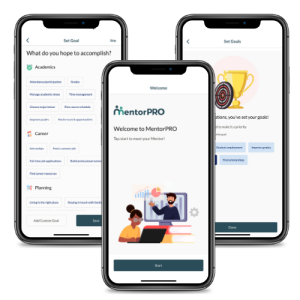
Participants were 2,072 first-year students and 68 peer mentors engaged through MentorPRO, a digital mentoring platform. Matches were made solely by academic major, enabling post-hoc analyses of naturally occurring demographic similarities. Researchers assessed outcomes across well-being, belongingness, mentor relationship quality, GPA, and mentoring platform engagement using Hierarchical Linear and Multiple Linear Regression models. Matching was defined for four dimensions: race, gender, first-generation, and international status. Each dimension was examined across both the full sample and within subgroups.
Results
Race-matched pairs demonstrated higher GPAs, while matches based on international or first-generation status were linked to lower GPAs. Male mentees matched with male mentors showed greater self-efficacy and engagement. First-generation mentees matched with similar mentors reported stronger belongingness and higher engagement. Notably, international-status matching predicted markedly higher engagement, including more frequent in-app messaging and check-ins.
Discussion
Findings reveal that similarity matching produces nuanced, sometimes opposing outcomes. While shared racial identity may enhance academic performance, matches among first-generation or international students may face systemic or cultural barriers that dampen GPA gains. However, these same matches foster stronger relational and engagement outcomes, suggesting a trade-off between academic and psychosocial benefits.
Implications for Mentoring Programs
Programs should move beyond one-size-fits-all matching strategies. Similarity can be beneficial when paired with targeted support particularly for international and first-generation dyads navigating unique challenges. Mentor training emphasizing cultural humility, real-time monitoring, and context-sensitive interventions may enhance the success of similarity-based matching.
Read the full paper here