Profiles in Mentoring: Wendy de los Reyes on How Mentoring Can Define Latinx Youth Activism
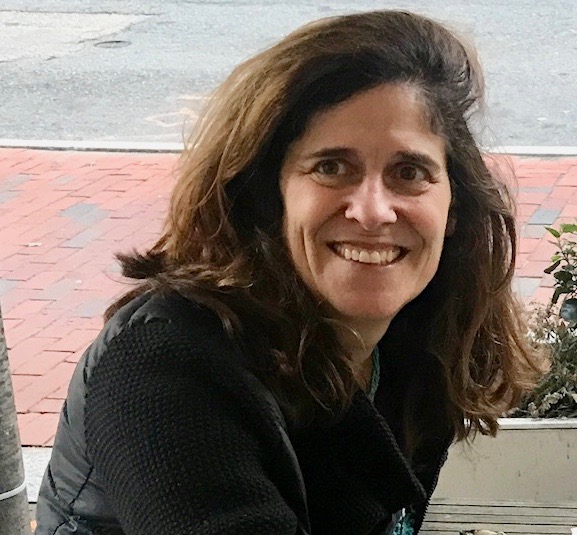
Wendy de los Reyes, Ph.D., is an Assistant Professor of Psychological Science at Claremont McKenna College and Director of the AMPLIFY Lab (Advocacy, Mentorship, and Participatory research with Latine Immigrant Families and Youth). Her research centers on the sociopolitical development of Latinx and immigrant-origin adolescents, with a focus on how young people resist structural inequities through mentoring relationships, intergenerational partnerships, and institutional engagement. We recently had the opportunity to speak with Dr. de los Reyes about her recent paper on the role that nonparental adults play in the sociopolitical development of immigrant-origin Latinx youth!
Chronicle (C): What inspired you to explore the role of nonparental adults in the sociopolitical development of Latinx immigrant-origin youth?
Wendy de los Reyes (WDLR): I was a high school student in Miami, Florida in the late 2000s, a time when there was lots of activism among young Latinx people organizing to get the DREAM Act passed. I was really inspired by their work but also interested in how young people’s work could be supported through intergenerational partnerships, such as those with nonparental adults. Growing up in Miami also taught me about the diversity and complexities of Latinx communities, which I aim to represent in all my work.
C: Your study highlights emotional support as a key ingredient in sociopolitical development. Why do you think this kind of support is often overlooked in research on youth activism?
WDLR: It could be a range of reasons. One potential reason could be that emotional support may feel more nebulous for researchers, which is in part why my collaborators and I have been developing a measure to capture multiple ways that nonparental adults may provide opportunities for sociopolitical development (including forms of emotional support).
C: What do you hope mentoring organizations or educators will take away from this research in terms of how they engage with young people working toward social change?
WDLR: Our findings support the importance of opportunities for dialogue that educators and mentoring programs can support. Organizations should consider investing in training adults on how to recognize their power dynamics and how it impacts dialogue, being mindful that it could both support and hinder civic/sociopolitical development. Mentoring organizations should also consider ways that they could provide young people with opportunities for sociopolitical action (e.g., community organizing efforts, Youth Participatory Action Research).