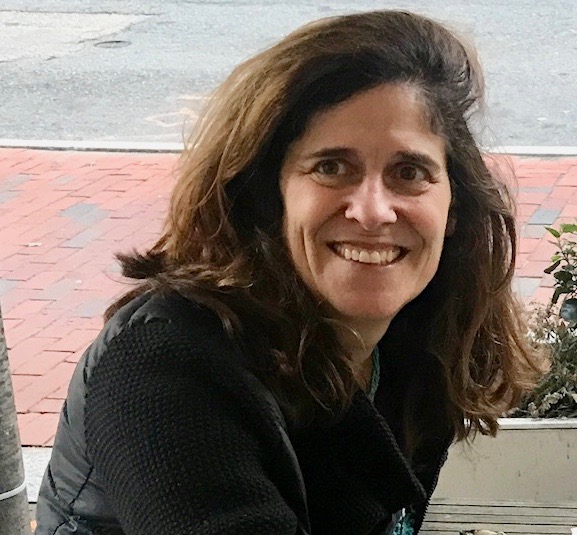
Profiles in Mentoring: Christopher Wainwright on Youth Lived Experience Advocacy
Christopher Wainwright is a PhD Candidate and Associate Lecturer at Griffith University, Australia. His work focuses on youth lived experience advocacy, translating research into action that directly benefits communities. With experience across eleven countries and collaborations with organizations like batyr, he centers young people’s voices in shaping meaningful change. We recently had the opportunity to speak with Mr. Wainwright about his recent paper on the outcomes of youth mental health advocates, featured here on The Chronicle!
Chronicle (C): What inspired you to pursue research on youth lived experience advocacy, and how did your own academic or personal journey shape your interest in this topic?
Christopher Wainwright (CW): My interest in this area is deeply personal. I began speaking up about youth mental health from the age of 12, long before I had the language or frameworks to describe what I was experiencing. That early advocacy planted a seed that has grown through years of work across ten countries in youth education, mental health, and empowerment. My PhD research at Griffith University, developed in collaboration with batyr, feels like a natural next step. It is a chance to co-create evidence that doesn’t sit on a shelf but lives in communities and informs real change. It is about recognising young people not only as service users but as leaders and agents of transformation.
C: What stood out to you the most about how community-based advocacy differs from clinical advocacy roles for young people?
CW: Community-based advocates are often doing the work right where they live in their schools, families, workplaces, and peer groups. They are setting up their own programs, challenging stigmatising language, and having powerful, everyday conversations about mental health with those around them. What really stood out to me is how organic and impactful this kind of advocacy can be, even though it is often undervalued or unsupported. These young people are doing incredible work, but they cannot and should not have to do it alone. We need to acknowledge the scale of what they are contributing and ensure they have the resources, recognition, and care they deserve.
C: Looking ahead, what do you see as the most important next steps for research or practice to better support young advocates and strengthen the impact of community-based mental health programs?
CW: We need more quantitative evidence to validate the impacts generated through this work. While the qualitative insights have been powerful, building a stronger quantitative foundation will help further legitimise and scale these programs. We also need to explore the empowerment potential of youth-led advocacy in broader social aspects of civic life. These roles can have a ripple effect across many areas of a young person’s life, and we need to better understand and support that full trajectory with role boundaries and supervision. Ultimately, the goal is to ensure young advocates are not only heard but also sustained and supported in ways that are meaningful and long-lasting.