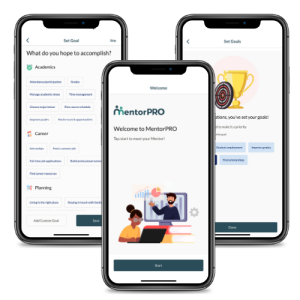


MentorPRO is a leading digital tool platform to support educators to build developmental relationships with their students in easy and fun ways.

In support of our continued conversation on how to support today’s youth, this issue of the Chronicle of Evidence-Based Mentoring is proudly sponsored by Along, a free digital tool designed to support educators to build developmental relationships with their students in easy and fun ways.

MENTOR: The National Mentoring Partnership (MENTOR) is the unifying champion for expanding quality youth mentoring relationships in the United States. For nearly 25 years, MENTOR has served the mentoring field by providing a public voice, developing and delivering resources to mentoring programs nationwide and promoting quality for mentoring through standards, cutting-edge research and state of the art tools.

Academic Web Pages is the leading provider of customized websites for researchers, centers, nonprofits, and universities. AWP designed and has contributed generously to the creation of the Chronicle of Evidence-Based Mentoring.