Online Peer Mentoring Linked to Fewer Anxiety, Sleep, and Behavior Problems in Kids With Learning Differences
Introduction
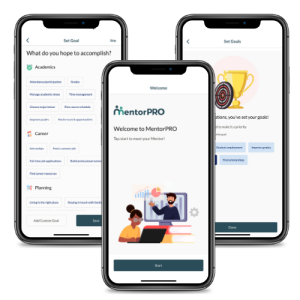
Kids with learning differences such as specific learning disorder (SLD) and attention deficit hyperactivity disorder (ADHD) tend to face more academic, social, and emotional difficulty than their typically developing peers. Peer mentoring, especially mentors with similar lived experiences, has shown promise for this population, but almost none of that research has looked at programs delivered entirely online. A study by Mercier and colleagues (2026) examined an online peer mentoring program called Superpower Mentors, asking whether caregivers noticed changes in their child’s mental health, well-being, and behavior after their child began working with a mentor.
Methods
The researchers surveyed 40 primary caregivers of mentees, ages 10 to 23, who had been in the program between five weeks and two years. Nearly all mentees had SLD, ADHD, or both. Caregivers rated their child on ten areas, including anxiety, depression, sleep difficulties, executive function, and self-esteem, comparing how things were before mentoring to how things were since. The team used repeated-measures statistical tests to look for change over time and for differences between male and female mentees.
Results
Caregivers reported lower severity across every single one of the ten areas measured after their child began the peer mentoring program, from anxiety and depression to sleep problems and self-esteem. The size of these reported improvements ranged from moderate to fairly large. Girls showed a steeper reported drop in depression and sleep difficulties than boys, though girls also started with higher reported severity in those two areas on average, which may partly explain the bigger difference. Caregivers consistently reported their children as doing better, across nearly every domain of daily functioning, after time in the online mentoring relationship.
Discussion
Because the study relied on caregivers looking back and comparing “before” and “since,” and had no comparison group of non-mentored children, the researchers cannot say mentoring caused these changes. Other factors, such as normal development over time or general improvement expectations, could contribute to the caregiver’s perceptions of improvement. Even so, the pattern adds to a small but growing body of evidence that mentoring relationships, even conducted virtually, may offer real value to families navigating a learning difference.
Implications for Mentoring Programs
Programs serving youth with learning differences may not need to rely on in-person meetings to see caregiver-reported benefit. Structuring virtual mentoring around consistent weekly contact, gender-matched pairing, and built-in caregiver check-ins, as this program did, appears compatible with gains across emotional, behavioral, and social domains.
Read the full article here