AI-Supported Mentoring for Disadvantaged Learners
Zhao, Y. (2026). Unlocking potential in underachieving learners: Self-regulation development through AI-supported e-mentoring among socioeconomically disadvantaged students. Frontiers in Psychology, 17, 1805629. https://doi.org/10.3389/fpsyg.2026.1805629
Introduction
Persistent academic underachievement among socioeconomically disadvantaged students is rarely a matter of intellectual capacity alone—it is a matter of education inequity. Unequal academic support and guidance among economically disadvantaged fosters lower levels self-regulated learning (SRL), including lower learning initiation, goal management, and self-monitoring. While traditional mentoring can help, it is costly and difficult to scale equitably. Zhao (2026) tested whether a structured, AI-supported e-mentoring program could rebuild those regulatory processes in students who need it most.
Methods
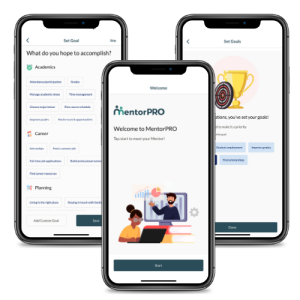
A 12-week cluster randomized controlled trial enrolled 168 students (84 per group) meeting criteria for both socioeconomic disadvantage and persistent academic underachievement. Classes (not individuals) were randomly assigned to minimize contamination. The AI tool (built on GPT-4o) walked students through three progressive stages: first helping them set goals and make a plan, then encouraging reflection and shifting how they thought about success and setbacks, and finally presenting personalized challenges to build confidence and skills. Throughout, teachers remained involved and automated safeguards were in place to keep interactions appropriate and on track. Students were assessed three times—at the start, at the end of the eight-week program, and again at week 12 — to measure both immediate impact and staying power.
Results
Students who received the AI coaching intervention improved significantly across every measure of self-regulated learning — meaning they got meaningfully better at planning, reflecting, and managing their own learning compared to students who didn’t receive the program, with adjusted between-group differences ranging from β = 0.37 to β = 0.45 (all p < 0.001). Nearly three in four intervention students (74.5%) submitted their weekly plans on time, compared to just one in five (21.4%) in the comparison group. Beyond planning, teachers reported that students in the program also turned in more homework, stayed more engaged in class, and showed greater persistence when things got difficult. The research suggests that building self-regulated learning skills was the fundamental for increasing academic achievement. The program worked largely because it helped students become better self-directed learners. Importantly, students who faced the greatest socioeconomic barriers and came in with the weakest self-regulation skills benefited the most from the program.
Discussion
The AI tool successfully supported students because the program was intentionally built to guide students through their own thinking and learning process. While student gain persisted four weeks after the program ended, there was some attenuation—suggesting that the progress students made is real, but may be partly dependent on continued scaffolding and support. This effect highlights the importance of not treating AI coaching as a one-and-done intervention, but rather as a tool that works best when embedded within ongoing structures of support.
Implications for Mentoring Programs
This author makes a clear case that AI can be used to reach the students that traditional programs most often miss when it is implemented within carefully governed, process-focused mentoring structures. Tiered AI scaffolding—where students are guided through progressively more challenging levels of reflection and goal-setting—could serve as a powerful complement to the work human mentors already do. For under-resourced programs, AI it may offer a scalable way to keep students engaged.
Read the full article here