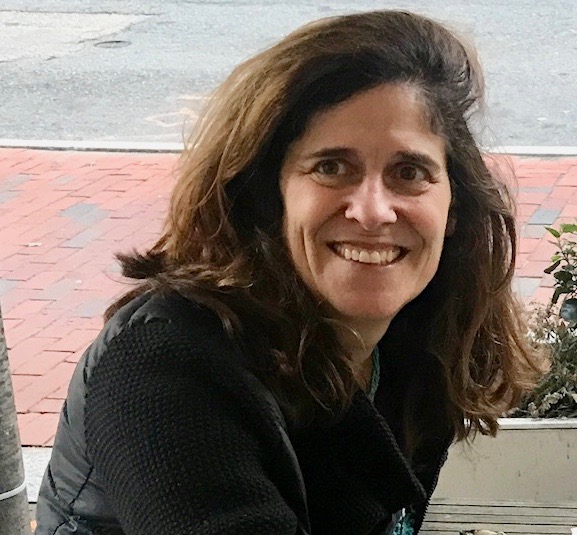
Profiles in Mentoring: Jaimie Stickl Haugen on The Student Belonging Scale
Jaimie Stickl Haugen, PhD, is a clinical associate professor in Counselor Education at William & Mary, where her research bridges school counseling and child mental health. As a licensed counselor in New York and Colorado, her work centers on culturally responsive assessment to advance measurement, student belonging, and youth suicide prevention, with scholarship in leading journals and leadership roles in national counseling organizations. We recently spoke with Dr. Stickl Haugen about her recent research on measuring student belonging through the student belonging scale (SBS)—featured here in The Chronicle!
Chronicle (C): Could you share what initially sparked your interest in the concept of student belonging, and why you and your colleagues felt compelled to develop a new measurement tool when others already existed?
Jaimie Stickl Haugen (JSH): “What immediately drew me in to the concept of belonging was how fundamental belonging is to a student’s experience and well-being. We all have this innate need to feel connected and accepted, and for kids, school is where so much of that plays out. If students do not feel like they belong, it can impact everything, academic success, mental health, and their willingness to engage. After reviewing many strong and well-established assessments, we recognized an opportunity to build on that foundation by creating a tool that emphasizes the cultural dimension of belonging. Our goal in creating a new instrument was to capture nuances related to identity and inclusion, elements that are deeply tied to how students experience school. By adding this lens, we hoped to provide educators with actionable insights to foster environments where every student feels seen and valued.”
(C): As you and your team worked on the creation and validation of the Student Belonging Scale, what moments or findings stood out to you as most surprising?
(JSH): “One surprise that stood out was when our initial theory slightly shifted during validation. We thought maybe emotional connection (feeling safe, respected, and accepted) would show up as one unified dimension. Instead, the data told a different story: it split into two distinct areas of connection with peers and connection with adults. That really highlighted how belonging isn’t a one-size-fits-all experience. A student might feel completely accepted by their friends but disconnected from teachers, or vice versa. That distinction can really shape how educators can intervene to foster belonging depending on where the disconnect lies, whether it’s in peer relationships, adult relationships, or both. Understanding that nuance allows for more targeted strategies, like strengthening classroom community or building trust between students and staff.”
(C): Your study highlighted the Identity Acceptance by Others factor as a unique and important element of the Student Belonging Scale; how would you suggest a school counselor or mentor use a low score on that specific subscale to immediately adapt their intervention strategy for a student?
(JSH): “If a student scores low on Identity Acceptance by Others, that’s a signal they may feel unseen or marginalized because of who they are. I would suggest taking a first step to connect with the student personally by starting a conversation and really listen. Asking questions like, “Can you share a time when you felt your identity wasn’t fully accepted here?” can open the door to understanding their experience, validating it, and providing targeted support. However, low scores may also point to systemic issues, so it’s helpful to look at the bigger picture and potential systemic issues. For example, if Hispanic/Latino students consistently report lower acceptance than their peers, that can indicate a need for advocacy, implementing cultural awareness programs, or advocating for integrating diverse voices into the curriculum. Even things like staff training or peer education can make a huge difference. Addressing both the need for individual support and structural barriers is important.”
Read Dr. Haugen’s paper here.