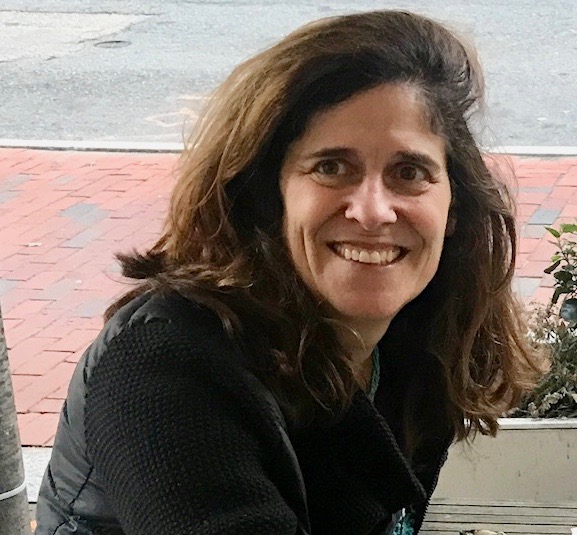
Profiles in Mentoring: Dr. Alison Glover on Mentor Effectiveness in Teacher Education
Alison Glover, PhD, is a researcher for the Post-Graduate Certificate in Education (PGCE) Program in Wales, supporting all aspects of research activity across the program. Dr Glover’s research spans Welsh education reform, gender equality in STEM, and modern language learning, with current interests in Initial Teacher Education—particularly mentoring, partnership working, and reflective practice. We recently had the opportunity to speak with Dr. Glover about her recent paper on effective mentoring in teacher education, featured here on The Chronicle!
Chronicle (C): What first inspired you to study mentoring in teacher education, and how did your personal journey shape your interest in the idea of finding joy in the process?
Alison Glover (AG): “The research was born out of a desire to capture what effective mentoring looks like in teacher education – for schools (mentors) and students. Literature often notes the barriers and complexity inherent with mentoring (particularly when looking at school- based teacher education mentoring) due to the constraints of time and money. We wanted to focus on the positive – where mentoring happens well, it happens really well, and we wanted to find out what ‘effective’ mentoring looked like and why. The paper was inspired by a funded research project which illuminated the aspect of ‘joy’. This came from one of the mentors as a quotation (artefact). Our involvement as researchers in this project came from a desire to capture the varied approaches which schools take to mentoring to see what helped to stimulate and promote effective mentoring approaches. Having mentored student teachers when working in schools we had first hand experiences of both the challenges and the ‘joy’ which can come from supporting the next generation of teachers. All the project researchers have moved from teaching in schools to working on a teacher education programme so bring first hand, personal views, and experiences. A desire to create resources and materials to support and inspire mentors was also a factor in beginning this research. The ‘Joy’ aspect was a recurring feature when completing the ‘artefact’ aspect of the research as their use promoted genuine and authentic responses which were individual to each participant’s experiences and views (whether mentor or student).”
Chronicle (C): How do you see the balance between accountability and relational support playing out in real-world teacher education programs, and what steps can institutions take to achieve that balance more effectively?
(AG): “Where time and training are offered to mentors, there is a real desire to focus on developing pedagogical practice and fostering excellent relationships over time. Where this is put under pressure and not invested in, then accountability becomes the focus. A whole school approach to mentoring is effective in developing a culture over time where mentoring is innate and happens throughout a school not just for supporting student teachers. Leading by example.”
Chronicle (C): Looking ahead, what do you think is the most important shift that needs to happen in mentoring practices to ensure that both mentors and mentees experience the kind of joy and growth highlighted in your findings?
(AG): “As the research notes – time and space to mentor effectively is a recurring theme and barrier. Mentors have many roles to play in school and sometimes this can ‘get in the way’ of what is truly needed. As mentioned above – a whole school culture is needed. Mentoring needs to be seen as a model for professional development not as a task to do or something to add to your CV. Often, there is a notion that teachers who have not been in the profession long should not take on mentoring roles. This can be and should be challenged by students/early career teachers as they enter the profession to maintain the positive impact and momentum they have experienced.
It is important to note that mentor training does not simply focus on the regulatory processes required, but on developing the ‘softer skills’ needed for mentoring such as being an effective listener and the ability to build a positive working relationship, with the well-being of the student teacher at the centre.
Also, the sharing of mentoring experiences can help mentors to develop their approach. Attached is a series of case studies that convey the personal stories of mentors – and what works for them. The publication can also be accessed here. A further paper, focused on the use of artefacts as a tool for research discusses how this approach enabled unique insights into mentors’ experiences (Full article: Using artefacts as a research method to explore effective mentoring in teacher education).”
Read the full paper here.